

Digital Investigation
Our objective: to ensure the accuracy and credibility our journalism by applying rigorous standards and advanced digital investigation techniques.
2024-2028 Strategic Priorities
Fight against disinformation:
Strengthen and expand digital investigation
Content:
Diversify and adapt editorial formats to different platforms and audiences
Training:
Strengthen the training in digital journalism
The digital investigation unit
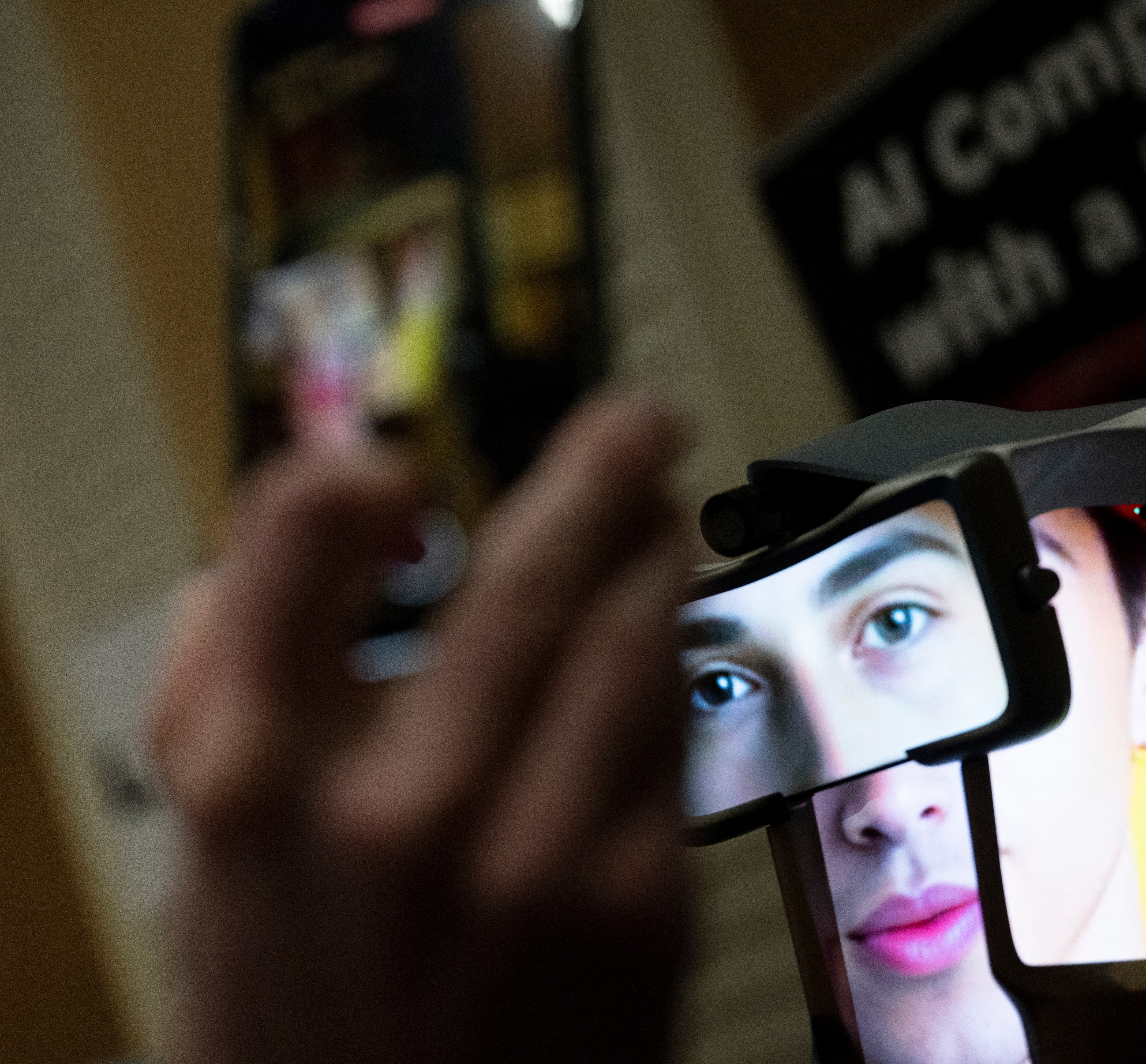
AFP now has the world’s largest network of journalists specialising in digital investigation: 140 reporters, covering the entire globe and working worldwide in 26 languages.
To guarantee the reliability of the news and counter disinformation, this unit applies strict editorial rules and rigorous methods, verifying images, videos and claims using proven techniques such as:
source analysis: identifying and verifying the original sources of information,
reverse image and video search: tracing the origin of visual content that has been manipulated, taken out of context, or generated by artificial intelligence,
consulting experts and public documents: to confirm or refute claims.
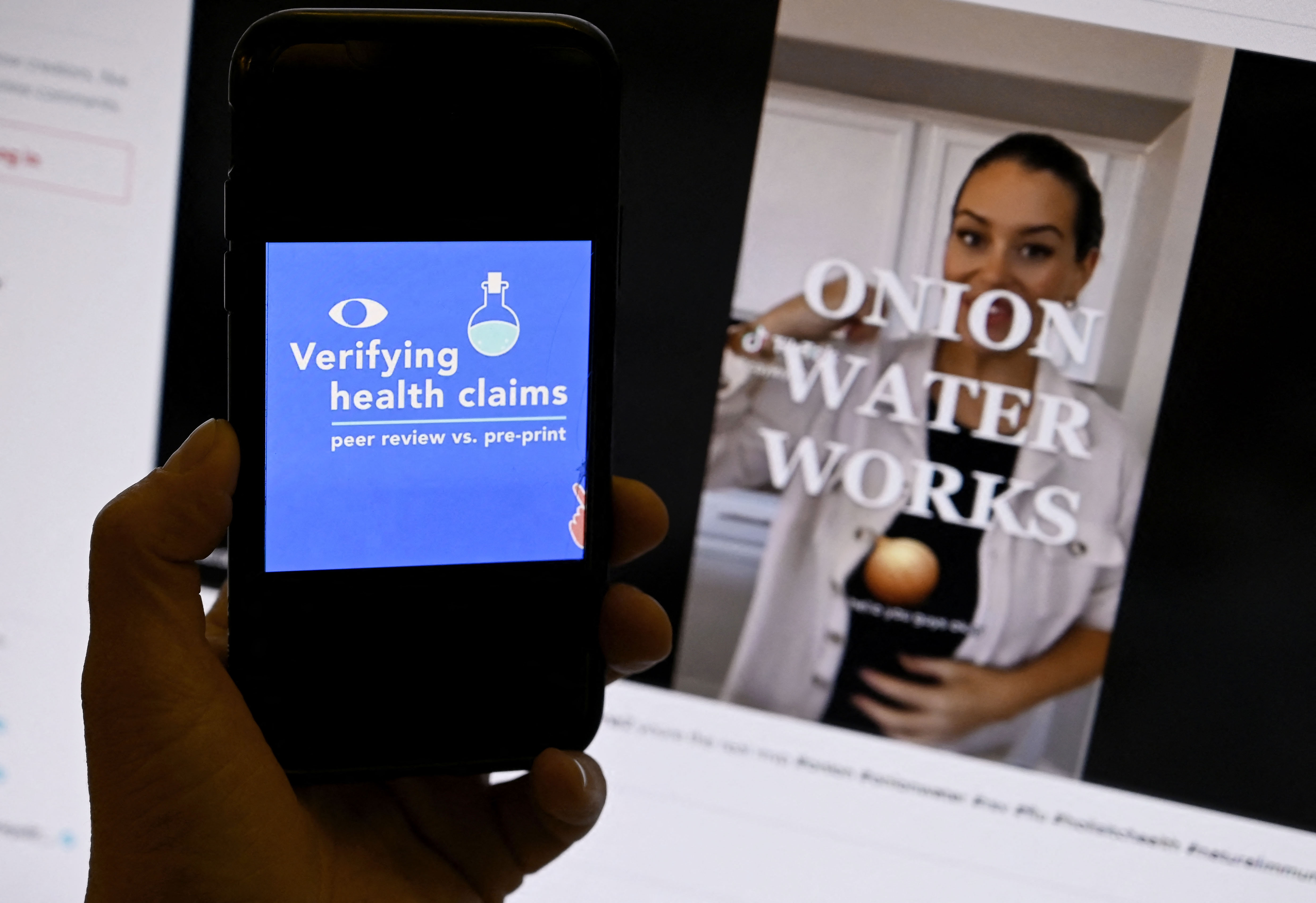
Our journalists rely on:
the Fact-Checking Manual, which sets out the editorial guidelines for their work,
AFP is a member of the International Fact-Checking Network (IFCN) and the EFCSN (European Fact-Checking Standards Network), which promote ethical practices in fact-checking and the dissemination of information.
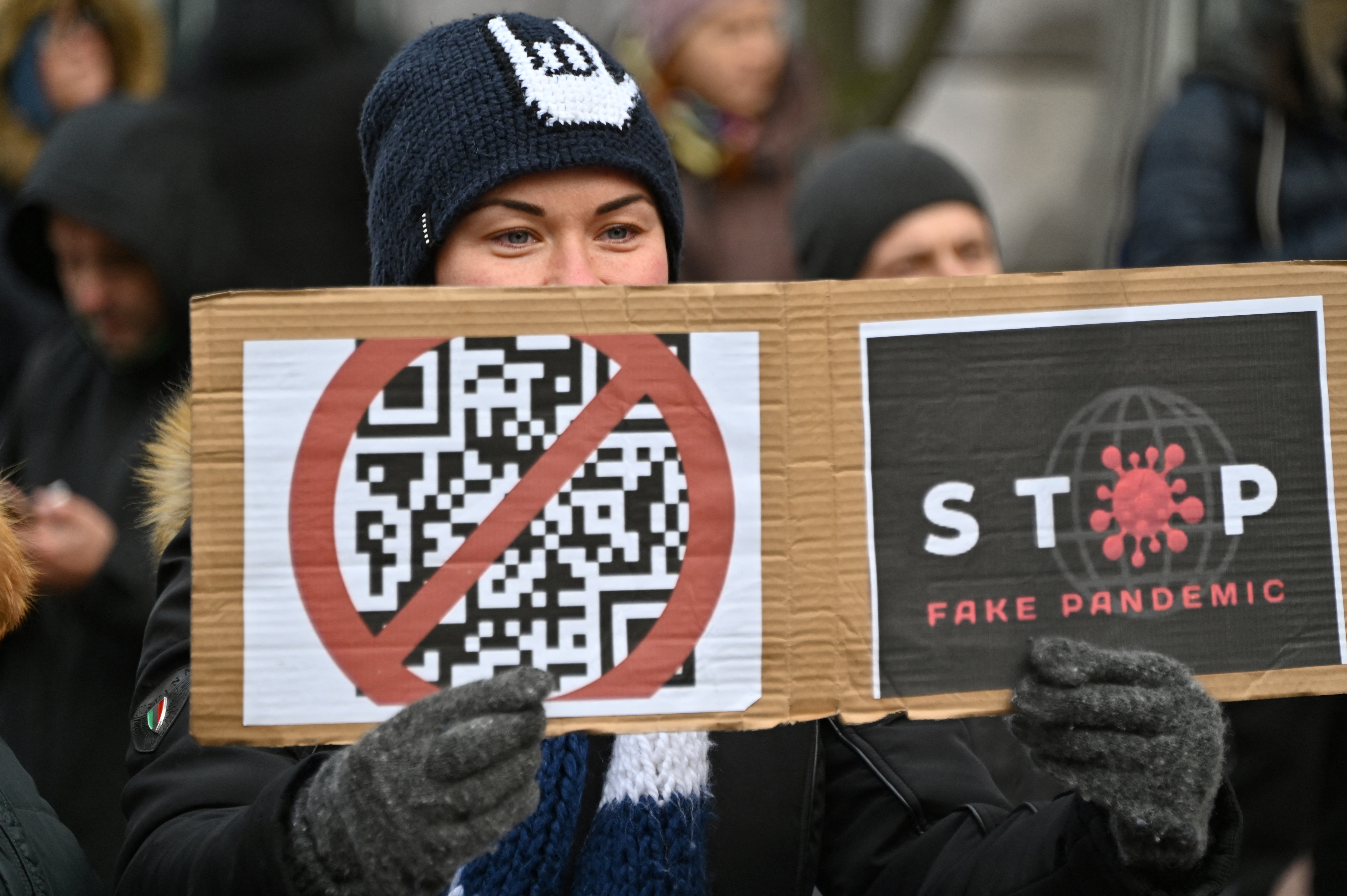
AFP’s InVID-WeVerify extension (plugin), accessible to everyone, makes it possible to verify false images and videos circulating on social media. This plugin is used by more than 100,000 active users each month, including the world's leading fact-checking newsroom.
AFP is involved in many projects to combat disinformation, notably through the hubs of the EDMO network (European Digital Media Observatory) launched by the European Union.
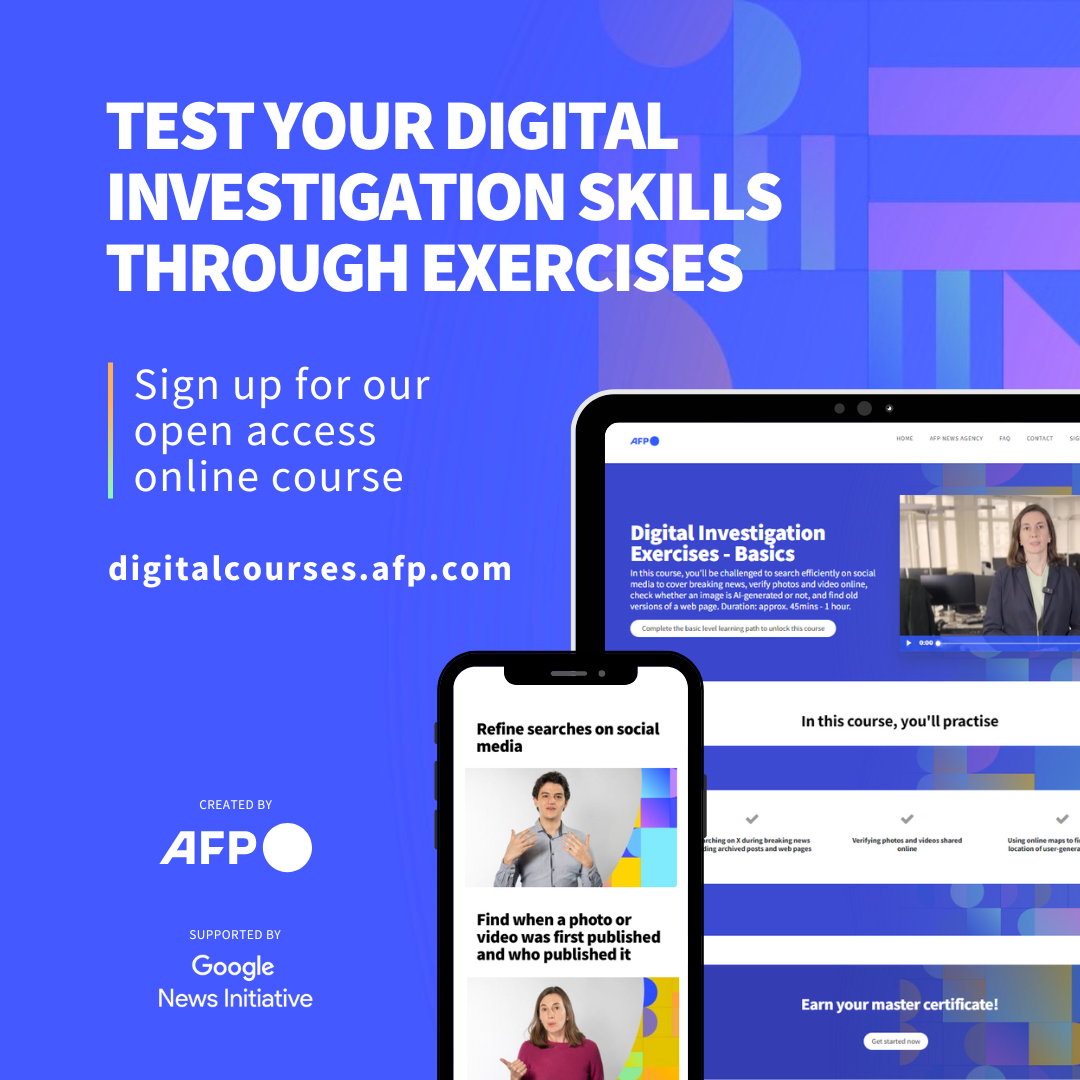
AFP has an online training platform, digitalcourses.com, offering open-access courses to strengthen digital investigation skills for journalists and journalism students. It provides more than fifteen practical modules — in French, English, Spanish and Portuguese — on source analysis, image and video verification (including AI-generated content) and tackling disinformation.